When businesses look at ways to reduce their carbon footprint, the focus often falls on the bigger things. Switching to renewable energy, upgrading equipment and improving building insulation are all common starting points. But what about the areas of a building that are used every single day, often without a second thought?
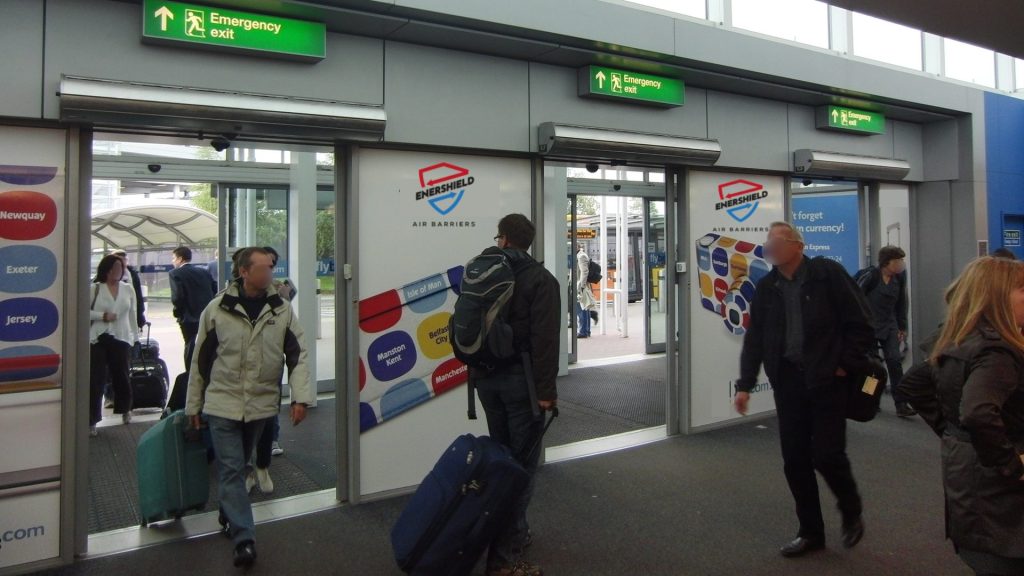
Doorways might not seem like an obvious place to look when reviewing energy efficiency, but in busy commercial and industrial environments, they can have a bigger impact than many businesses realise.
The Energy You’re Losing Without Realising
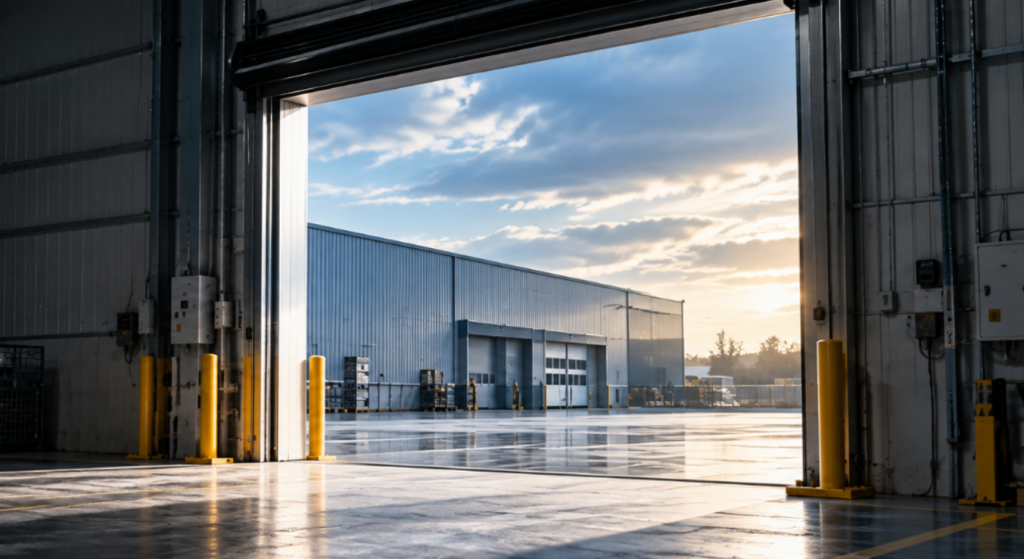
Every time an external door opens, there’s an opportunity for air to move between two different environments. Warm air can enter a cooled space, while heated air can escape into colder surroundings. The greater the temperature difference, the more challenging it can become to maintain a consistent indoor environment.
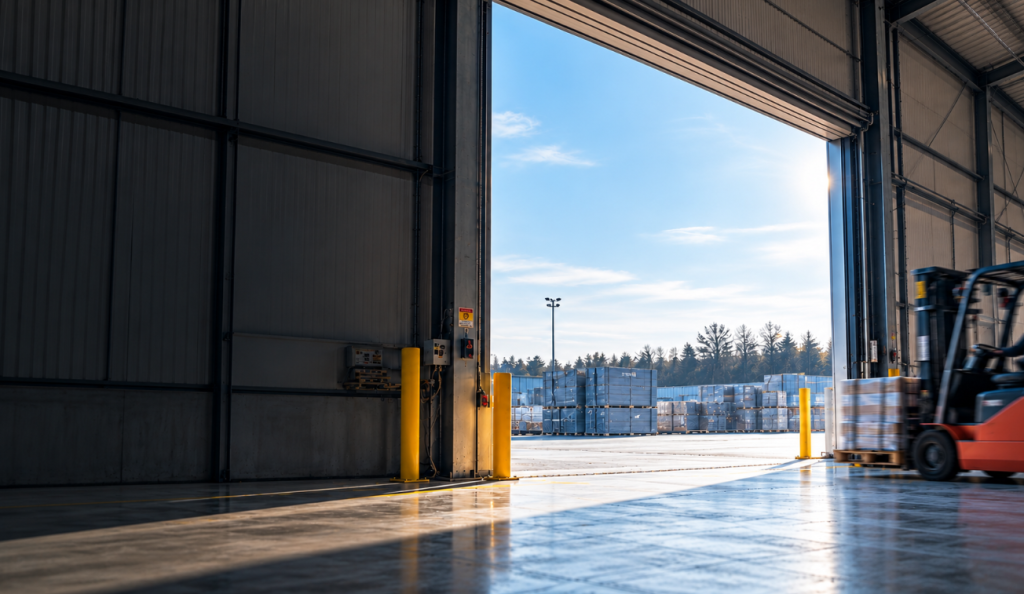
In facilities where doors are regularly opened for deliveries, vehicle movements or employees, this exchange can happen throughout the working day. In some environments, doors may even be left open for extended periods to allow operations to continue without interruption. The problem isn’t simply the movement of air itself. It’s the additional work required from heating, ventilation and refrigeration systems to maintain the temperatures they’re designed to deliver.
What Does This Mean for Your Carbon Footprint?
When heating or cooling systems have to work harder to compensate for energy losses, they can consume more energy than necessary. Depending on how that energy is generated, this additional consumption can contribute to a business’s carbon emissions. For businesses working towards sustainability targets, reducing unnecessary energy demand is an important part of making progress.
It’s also worth remembering that energy efficiency isn’t always about investing in entirely new systems. Sometimes, it’s about identifying where existing systems are being placed under unnecessary pressure and finding ways to reduce that demand. A facility might already have efficient heating or refrigeration equipment in place, but if conditioned air is constantly escaping through open doorways, some of that efficiency is being lost before the system has the chance to deliver its full benefit.
Can You Reduce Energy Loss Without Restricting Access?
For many industrial and commercial businesses, keeping doors closed simply isn’t practical. Warehouses need to accommodate regular deliveries, manufacturing facilities rely on the movement of materials, and cold storage environments often have continuous traffic between different temperature zones. The challenge is finding a way to maintain accessibility while limiting the amount of air moving between these spaces.
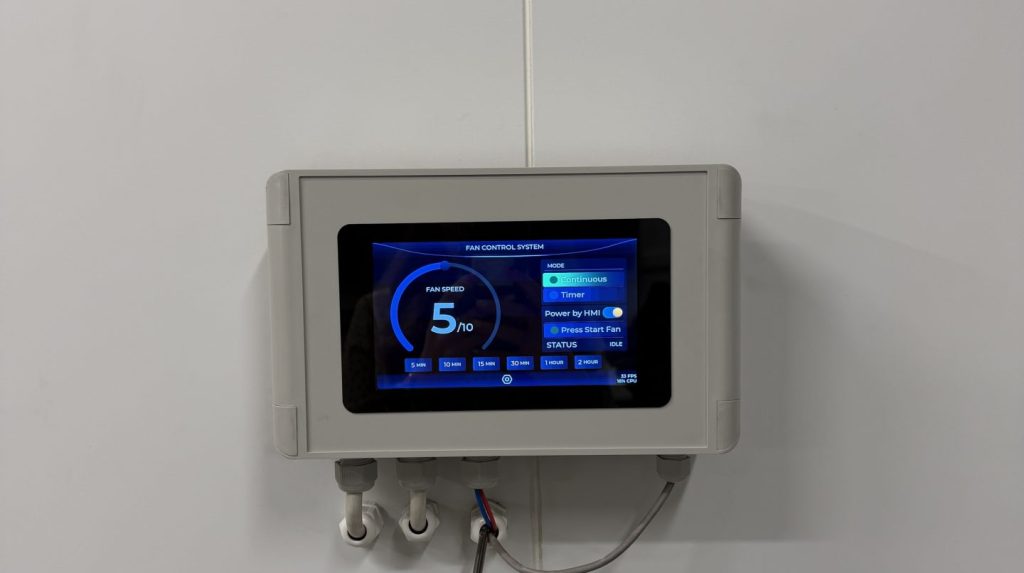
This is where Air Barriers can make a difference. By creating a controlled stream of air across an open doorway, Air Barriers help reduce the exchange of air between environments without the need for a physical barrier. This can help businesses maintain more consistent indoor temperatures and reduce the demand placed on heating and cooling equipment. The potential benefits go beyond energy consumption, with improved temperature control also helping to create more comfortable and stable working environments.
Of course, the level of energy savings will depend on factors such as doorway size, temperature differences, traffic levels and operating hours. Every facility is different, which is why understanding the conditions at each doorway is so important.
Small Changes Can Support Bigger Sustainability Goals
Reducing a business’s carbon footprint doesn’t always require a complete overhaul of its operations. While major investments in energy-efficient technology have their place, smaller improvements across a facility can also contribute to long-term progress.
A frequently used doorway might seem like a minor detail when looking at an entire building, but when you consider how often it opens and how much energy may be required to compensate for the resulting air exchange, it becomes an area worth reviewing. For businesses operating multiple facilities or managing several high-traffic entrances, addressing these losses could form part of a wider approach to reducing energy consumption and associated emissions.
The important thing is understanding where energy is being used unnecessarily and identifying practical ways to improve efficiency without affecting day-to-day operations.
Sustainability Starts With Understanding Where Energy Goes
Businesses are under pressure to demonstrate progress towards their environmental commitments. That means looking beyond the most obvious areas of energy consumption and considering how everyday operations influence overall building performance.
Open doorways are easy to overlook, but the air exchange taking place through them can have a direct impact on heating and cooling demand.
Could your doorways be contributing to unnecessary energy consumption?