When businesses look at improving workplace conditions, attention often turns to heating, ventilation, lighting and the overall layout of a building. However, one area that can easily be overlooked is the entrance.
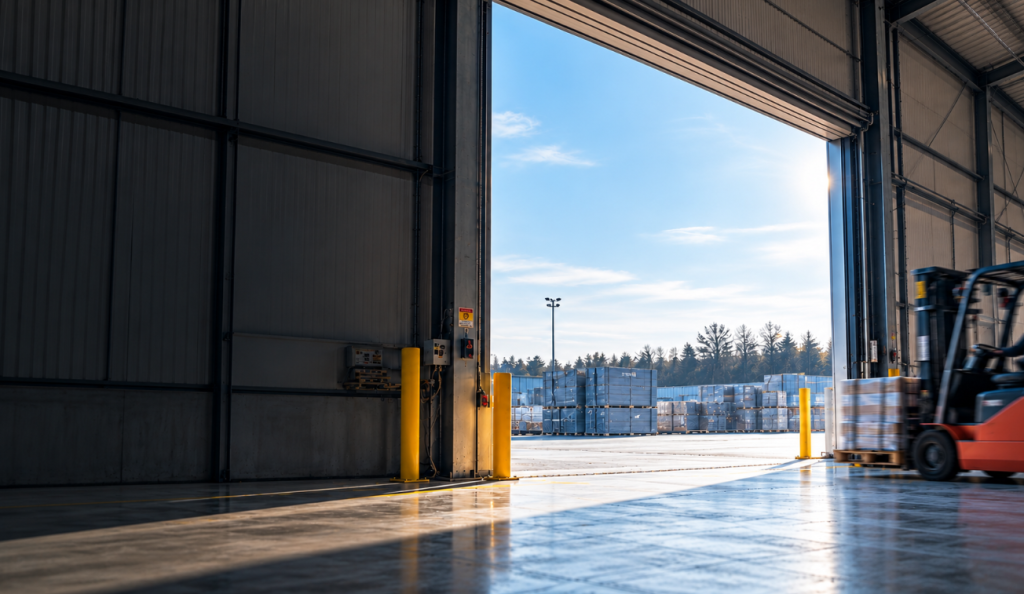
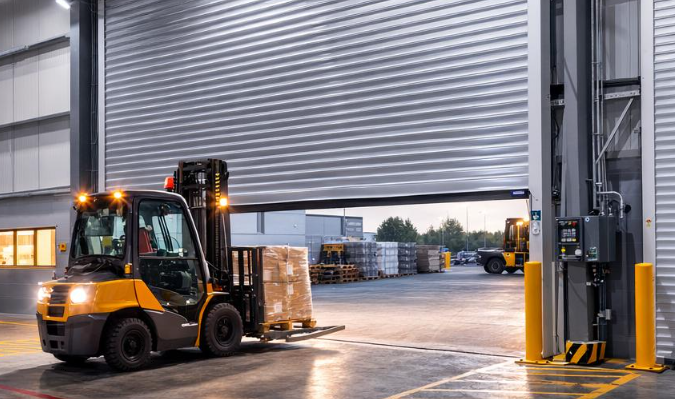
In busy industrial and commercial environments, entrances are often in constant use. Whether it’s a warehouse receiving deliveries, a manufacturing facility moving materials or a distribution centre managing daily operations, doors need to remain accessible to keep everything running efficiently. But what impact does this frequent movement have on the people working inside?
The Hidden Impact of Open Doorways
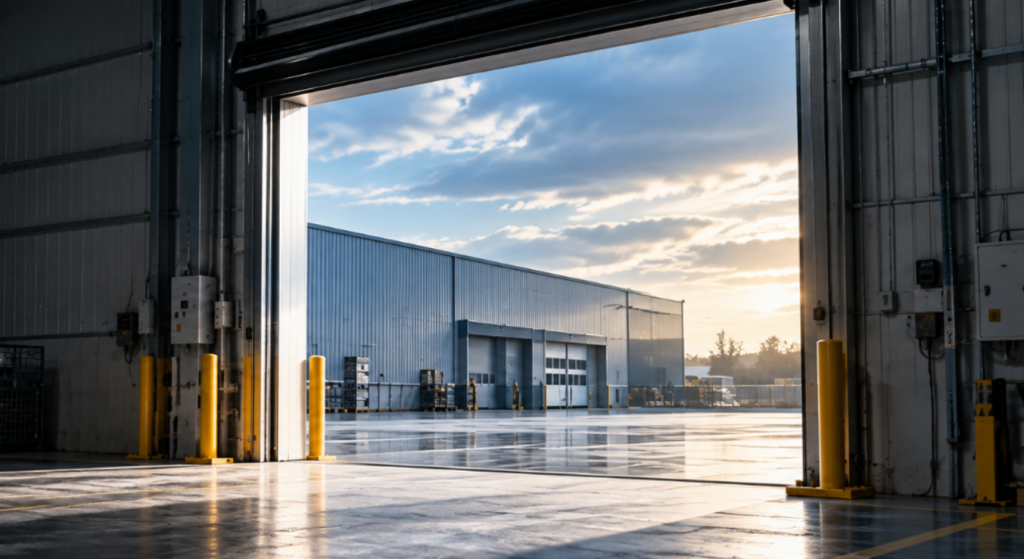
During colder months, open doorways can create uncomfortable working conditions, particularly for employees positioned close to entrances, loading bays and high-traffic areas. Cold outdoor air entering a heated building can cause noticeable temperature fluctuations, while draughts can make certain areas feel significantly colder than others.
For businesses operating large facilities, maintaining a consistent indoor temperature can be challenging. Even when heating systems are working effectively, repeated exposure to outdoor conditions can make it difficult to maintain comfortable working environments throughout the building.
This becomes particularly relevant in workplaces where employees spend extended periods in fixed positions, such as production lines, packing stations or goods-in areas. While some employees may be working in comfortable conditions, others just a short distance away could be experiencing regular cold draughts and fluctuating temperatures.
Why Workplace Comfort Matters
Workplace comfort is about more than just maintaining a set temperature. The conditions employees experience throughout their working day can influence their wellbeing, concentration and overall working environment.
In industrial settings, where employees may be carrying out physically demanding or precision-based tasks, providing a comfortable and consistent environment is an important consideration. Persistent cold draughts can create discomfort, particularly during winter when the difference between indoor and outdoor temperatures is greater.
There is also a wider operational consideration, as businesses may respond to complaints about cold working areas by increasing heating output, but this doesn’t necessarily address the underlying issue. If warm air is continually escaping through frequently opened entrances, additional heating may only provide a temporary improvement while increasing energy consumption. Rather than treating uncomfortable areas as an isolated heating problem, it is worth considering how the building itself manages the movement of air.
Could Entrance Design Be Part of the Solution?
Industrial entrances need to balance several requirements. They must allow employees, vehicles and materials to move efficiently while supporting the internal conditions required for day-to-day operations.
Traditional approaches to reducing heat loss often focus on keeping doors closed wherever possible. However, this isn’t always practical in facilities with frequent forklift movements, deliveries or continuous production processes.
This is where entrance design and environmental separation become increasingly important.
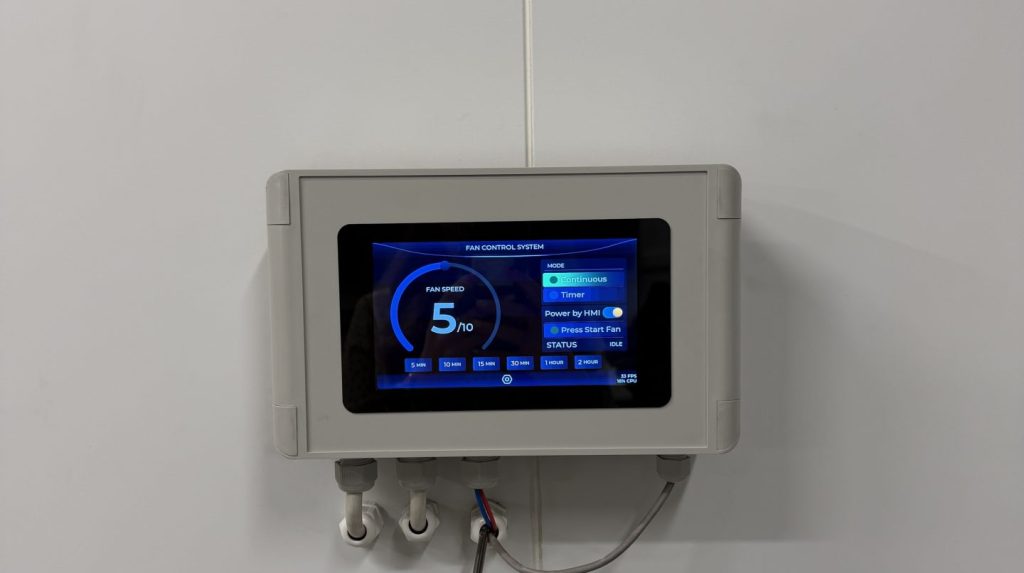
By considering how air moves between indoor and outdoor environments, businesses can identify opportunities to reduce unwanted air exchange without compromising accessibility. Solutions such as industrial air barriers create a controlled stream of air across an opening, helping to separate different environments while allowing people and vehicles to pass through.
When correctly specified for the application, this can help reduce the impact of cold draughts, support more stable indoor temperatures and reduce unnecessary demands on heating systems.
Looking Beyond Energy Efficiency
Energy efficiency is often one of the main drivers behind improvements to industrial buildings, particularly as businesses look for ways to manage operating costs and reduce their environmental impact. However, the benefits of better environmental control can extend beyond energy consumption.
A more consistent indoor environment can contribute to improved working conditions, particularly in areas where employees are regularly exposed to external temperatures. It can also help facilities manage the demands of accessibility, operational efficiency and employee comfort.
For building owners and facility managers, this highlights the importance of considering entrances as part of the wider building environment rather than simply access points.