The UK’s Changing Climate Is Changing Building Performance
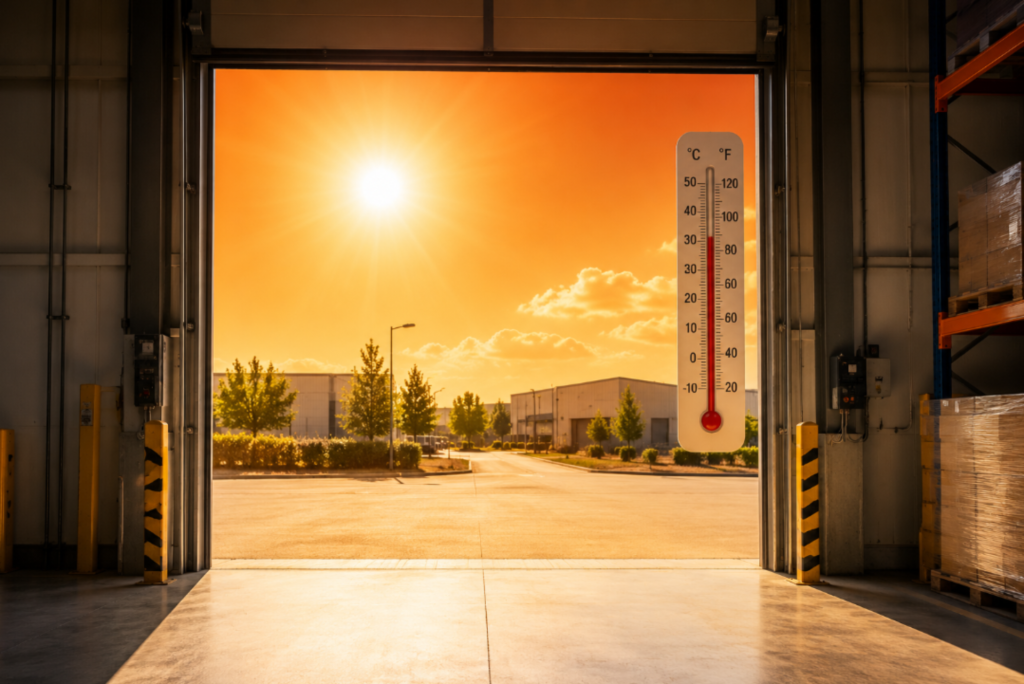
For many years, commercial buildings across the UK have been designed to cope with cold winters, wind and rain. While these challenges remain, recent summers have highlighted another growing consideration. Heat.
Longer periods of high temperatures are placing increasing pressure on workplaces, warehouses, manufacturing facilities and retail environments. As organisations invest in cooling technologies and energy efficiency measures, there is one area that is often overlooked.
The building entrance.
What was once viewed simply as an access point is becoming an increasingly important factor in maintaining indoor comfort, controlling energy consumption and supporting day to day operations. As heatwaves become more frequent, organisations may need to rethink how their entrances contribute to overall building performance.
Why Entrances Matter More Than Ever
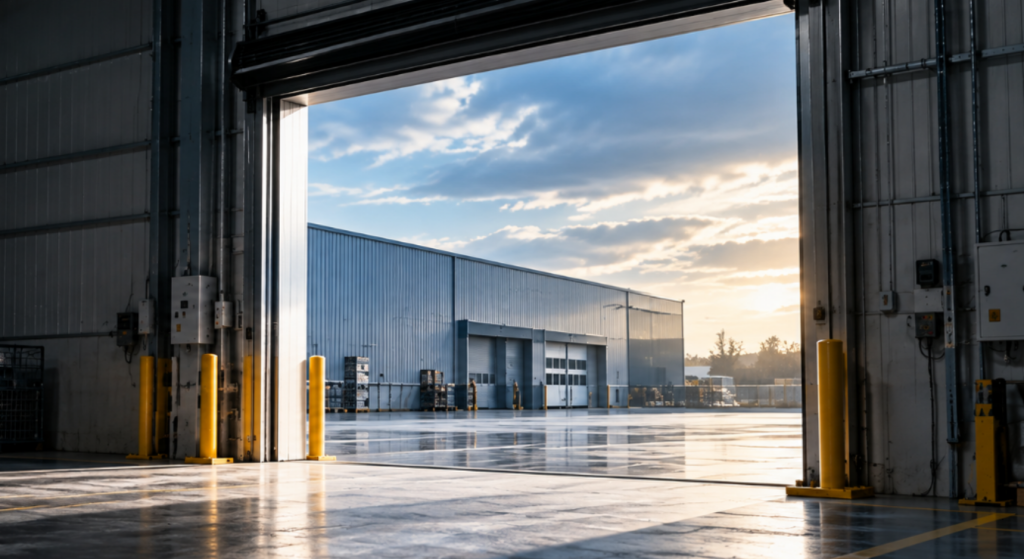
Every time a door opens, air moves. During the summer, this often means warm outdoor air enters the building while cooled indoor air escapes. The larger the doorway and the greater the volume of traffic, the greater the exchange of air.
For facilities that rely on maintaining comfortable internal temperatures, this constant air movement can create challenges including:
- Increased cooling demand
- Fluctuating indoor temperatures
- Reduced occupant comfort
- Higher energy consumption
- Additional strain on cooling equipment
These effects may seem small in isolation, but across hundreds or even thousands of door openings each day, the impact can become significant.
Cooling Systems Cannot Solve Every Problem Alone
When indoor temperatures begin to rise, the instinctive response is often to increase cooling capacity. While cooling systems are essential, they can only manage the conditions within the building.
If large volumes of hot external air continue entering through frequently used entrances, cooling equipment must work continuously to restore internal temperatures. This creates a cycle where more energy is consumed simply to compensate for avoidable heat gain.
Taking a broader view of building performance means considering not only how spaces are cooled, but also how unwanted heat enters in the first place.
Building Resilience Starts at the Building Envelope
Improving summer performance is rarely achieved through a single solution. Instead, it often involves a combination of measures working together.
Many organisations are already investing in better insulation, modern ventilation strategies, solar shading and more efficient cooling systems. Entrance design deserves to be part of the same conversation. By reducing unnecessary air exchange at busy entrances, organisations can help create more stable indoor environments while supporting wider energy efficiency objectives.
This approach can also improve comfort for employees, customers and visitors who experience fewer sudden temperature changes when entering or leaving the building.
Designing for Tomorrow’s Weather
Building performance is increasingly being measured against conditions that would have been considered unusual only a decade ago. There is no longer any doubt that the UK will be experiencing hotter summers in the coming years, so commercial buildings need to be well prepared to operate efficiently during them.
As organisations continue to improve resilience, reduce operating costs and support sustainability targets, seemingly simple features such as entrances deserve greater attention.
Technologies such as Air Barriers are helping to reduce unwanted air movement while allowing buildings to remain accessible and operational. More importantly, they demonstrate a shift in thinking, where every part of the building is considered as an opportunity to improve overall performance.
Looking Beyond the Cooling System
Heatwaves often expose weaknesses that remain hidden for much of the year.
Rather than viewing summer as a temporary challenge, organisations can use periods of extreme weather to better understand how their buildings perform under pressure. From ventilation and cooling to entrances and airflow management, every element plays a role.
As commercial buildings continue to evolve, designing entrances that support comfort, efficiency and resilience may become just as important as selecting the right cooling equipment in the first place.